Offline Hobbies 2026: Key Trends in Screen-Free Activities
As daily life becomes ever more saturated with digital tools, many people are deliberately seeking screen-free routines. Offline hobbies in 2026 are shaped by a desire for balance, real-world interaction and activities that help maintain focus. These trends reflect social shifts, from environmental awareness to interest in practical skills that enrich everyday life.
Growing Popularity of Outdoor Micro-Adventures
Short outdoor escapes remain one of the strongest offline trends. In 2026, individuals increasingly dedicate weekends to micro-adventures that require minimal planning yet deliver meaningful engagement with nature. These outings often take place close to home, making them accessible even for busy schedules.
The appeal is rooted in uncomplicated exploration. People choose local hiking routes, riverside walks or low-impact camping spots that allow them to reset without long travel. This approach supports physical wellness, provides a clear break from work routines and encourages a healthier rhythm.
Another factor is environmental responsibility. Micro-adventures reduce the need for extensive transport while still offering authentic outdoor time. They represent a shift towards conscious leisure habits that place value on simplicity and sustainability.
Practical Forms of Outdoor Participation
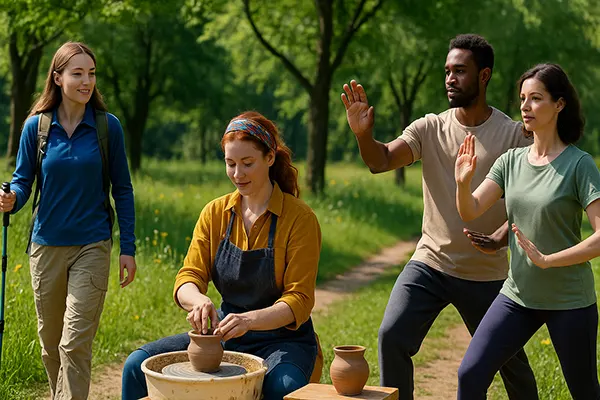
Many communities now organise guided walks, seasonal foraging groups and nature-based workshops. These formats help participants learn useful skills such as plant identification, basic orientation and safe outdoor practice. People value knowledge that can be applied repeatedly, rather than experiences that rely on specialised equipment.
Voluntary conservation days have become a common social activity. Participants help with woodland maintenance, coastal clean-ups or habitat restoration. This enables individuals to contribute directly to their surroundings while developing a sense of local connection.
For families, outdoor treasure trails and themed exploration routes are increasingly common. They provide structured tasks that encourage teamwork, problem-solving and physical activity without any reliance on screens or digital aids.
Hands-On Crafting and Traditional Skills
Craft-based hobbies continue to grow as people look for meaningful, tactile ways to unwind. In 2026, woodworking, pottery, natural dyeing and hand-stitching attract broad audiences. These activities offer visible progress and long-lasting results, which is especially valued in contrast to the immediacy of digital consumption.
Workshops often focus on practical household items such as bowls, small furniture pieces or textile accessories. Individuals appreciate the combination of utility and creativity, as well as the opportunity to make durable objects. This practical aspect sets modern crafting apart from purely decorative pastimes.
Another trend is the return of repairing and upcycling. Many people choose to mend clothing, restore vintage objects or repurpose wooden materials. These skills reduce waste, support sustainable living and encourage a sense of personal resourcefulness.
Community Craft Spaces
Shared creative studios are expanding across European cities. They provide tools, safe workspaces and expert assistance for beginners. Such spaces become social hubs where people exchange techniques, collaborate on projects or simply enjoy focused time away from electronic distractions.
Weekly craft circles are steadily gaining members. These gatherings range from knitting groups to ceramics evenings, attracting individuals who seek consistent practice and friendly conversation. The emphasis lies on steady improvement rather than fast results.
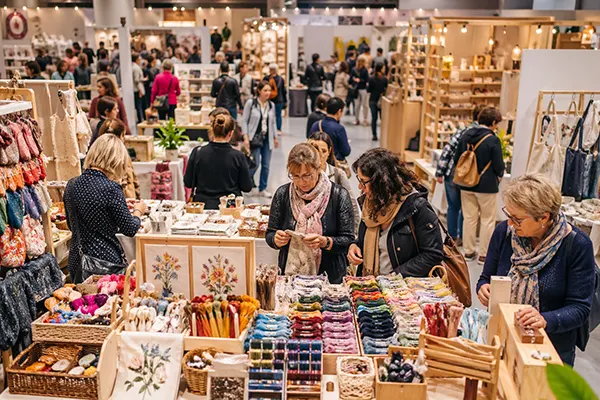
Local markets increasingly feature handmade goods produced by hobbyists. This environment motivates learners to refine their skills and supports small-scale craftsmanship. It also encourages a deeper appreciation for responsibly produced items.
Mind-Body Activities for Focus and Balance
Wellbeing remains a central theme in offline hobbies for 2026. Many individuals explore movement-based practices that combine physical and mental benefits. Disciplines such as tai chi, Nordic walking and low-intensity strength routines promote steady progression without competitive pressure.
Breathing techniques, slow-paced stretching and mindful movement sessions gain attention due to their simplicity and accessibility. These routines are suitable for different age groups and require minimal equipment, making them easy to integrate into daily life.
Another trend is small-group training in parks and community centres. These sessions cultivate accountability and provide a supportive atmosphere. Participants often report improved concentration, reduced stress and greater satisfaction with daily routines.
Offline Wellness Practices
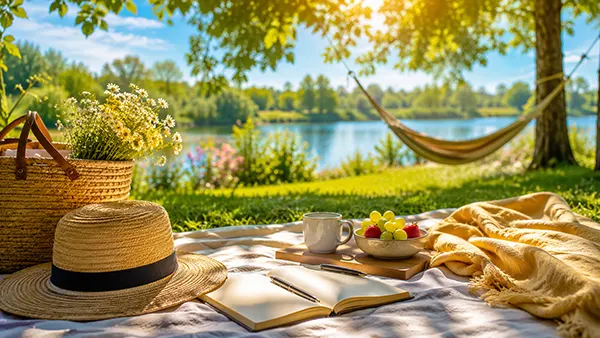
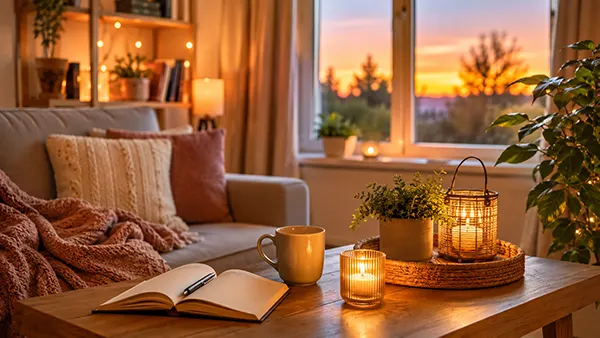
Journalling, sketching and reflective writing offer a quiet alternative to digital entertainment. These activities help individuals process thoughts, set goals and maintain emotional clarity. They also allow creativity to develop naturally without external stimulation.
Breathwork circles and guided relaxation groups are expanding in popularity. People value structured techniques that enhance calmness and improve sleep quality. These sessions typically remain intimate, promoting trust and consistency among participants.
Gardening remains a timeless source of balance. In 2026, urban residents increasingly join community gardens, focusing on herbs, pollinator-friendly plants and compact vegetable plots. The routine of planting, tending and harvesting provides steady satisfaction and direct engagement with the natural cycle.