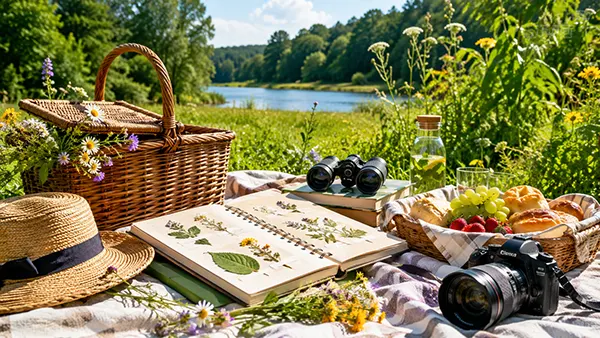
Seasonal Hobbies for Summer 2026: Herbarium, Picnic Planning and Nature Observation
Summer 2026 offers countless opportunities to spend more time outdoors while developing hobbies that encourage creativity, curiosity and a closer connection with local landscapes. Across the UK and many other parts of Europe, people are increasingly choosing simple activities that combine relaxation with learning rather than relying solely on digital entertainment. Creating a personal herbarium, organising thoughtful picnics and observing wildlife require very little equipment, making them suitable for individuals, couples and families alike. These hobbies also encourage a slower pace of life, allowing people to appreciate seasonal changes that often go unnoticed during busy daily routines.
Why Seasonal Outdoor Hobbies Are Becoming More Popular
Interest in nature-based hobbies has continued to grow during recent years as more people recognise the physical and mental benefits of spending time outside. Local parks, woodlands, botanical gardens and nature reserves have become popular destinations not only for walking but also for creative activities such as sketching plants, photographing insects and recording seasonal changes. These hobbies offer a practical way to enjoy free time without requiring expensive equipment or specialised knowledge.
Many people now look for activities that can easily fit around work, study or family commitments. Unlike organised sports or scheduled events, hobbies such as building a herbarium or observing birds can be enjoyed whenever the weather is favourable. A short evening walk through a nearby green space may provide enough material for pressing leaves, identifying wildflowers or documenting butterfly species that are active during summer.
Another reason for their popularity is the growing appreciation for local biodiversity. Instead of travelling long distances, many hobbyists are discovering fascinating plants, fungi, insects and birds within their own communities. Public conservation projects and educational programmes introduced in many regions have also encouraged greater awareness of native species and responsible outdoor behaviour.
How to Choose the Right Hobby for Your Lifestyle
The most enjoyable hobby is usually the one that matches your interests and available time. People who enjoy creativity may find herbarium making particularly rewarding because it combines collecting, identification, photography and artistic presentation. Those who prefer social activities may enjoy organising themed picnics with friends or family, while individuals who appreciate peaceful surroundings often find nature observation especially relaxing.
Budget is another important consideration. Most seasonal hobbies require only a few basic items. A reusable notebook, field guide, smartphone camera, binoculars, picnic blanket or plant press can be used for many years. Buying quality equipment gradually is often more practical than purchasing everything at once, especially for beginners who are still discovering which activities they enjoy most.
Local conditions should also influence your choice. Coastal areas provide opportunities to observe seabirds and marine plants, woodland regions offer rich botanical diversity, while urban parks can still support surprisingly varied wildlife. Exploring nearby locations regularly often leads to a deeper understanding of seasonal changes than visiting distant destinations only occasionally.
Creating a Herbarium That Reflects the Summer Season
A herbarium is far more than a collection of pressed plants. It becomes a personal record of places visited throughout the season and helps develop observation skills. Modern hobbyists often combine traditional plant pressing with digital photography, allowing them to capture each specimen in its natural habitat before collecting a single leaf or flower. This approach creates a richer record while reducing the need to gather large quantities of plants.
Responsible collecting is essential. Plants should only be gathered where permitted, and protected or endangered species must never be removed from the wild. Instead, they can be photographed and documented with notes about their location, flowering period and surrounding habitat. Common grasses, leaves from mature trees and abundant wildflowers usually provide plenty of material without affecting local ecosystems.
Once collected, specimens should be placed between absorbent sheets of paper inside a plant press or beneath heavy books. After drying for several weeks, they can be mounted on acid-free paper alongside details such as the common and scientific name, collection date, location and any interesting observations about weather conditions or pollinating insects seen nearby.
Ideas for Building a Meaningful Collection
Rather than collecting random plants, many enthusiasts create themed collections. One popular idea is documenting trees found within a single local park, while another focuses on plants that bloom during one specific month of summer. Others concentrate on herbs traditionally used in cooking or species that attract bees and butterflies.
Adding photographs, sketches and handwritten notes gives each page additional value. Recording the colour of flowers before pressing them is especially useful because many blossoms fade considerably during the drying process. Some people also include small maps showing where each specimen was found, creating a seasonal diary that becomes more valuable with every passing year.
A herbarium can also become a long-term family project. Children often enjoy identifying leaves by shape, comparing seeds and observing how different plants change from early summer until the beginning of autumn. These shared activities naturally encourage conversations about ecology, weather and conservation without feeling like formal lessons.
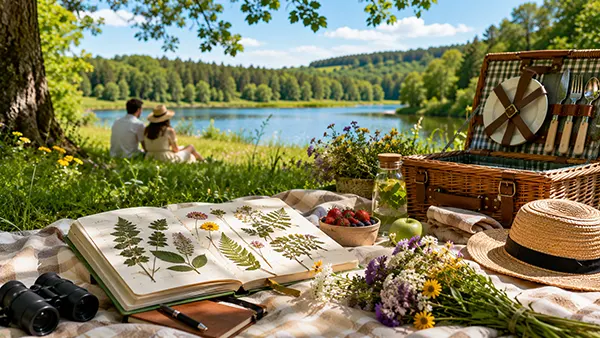
Planning Memorable Summer Picnics
A well-planned picnic is one of the simplest ways to spend time outdoors, yet thoughtful preparation makes a significant difference. Choosing a shaded location, checking weather forecasts and arriving outside the busiest hours often creates a far more comfortable experience than selecting the first available open space during the hottest part of the day.
Reusable containers, insulated bottles and lightweight picnic blankets remain practical choices for summer 2026, as many public parks continue encouraging visitors to reduce single-use waste. Fresh seasonal produce, homemade sandwiches, fruit salads and chilled drinks are generally easier to transport than elaborate meals while remaining enjoyable throughout the afternoon.
Activities can also be planned alongside the meal itself. Board games, sketchbooks, wildlife identification guides, binoculars or a simple nature scavenger hunt add variety without requiring expensive equipment. Combining food with outdoor exploration often encourages people to spend several relaxing hours in natural surroundings rather than treating the picnic as a brief lunch break.
Making Every Picnic More Enjoyable
Selecting the right location is just as important as preparing the food. Botanical gardens, riverside meadows, forest clearings and lakeside parks each provide different experiences. Before visiting, it is worth checking local regulations regarding barbecues, cycling routes, pets and waste disposal to avoid unexpected restrictions.
Comfort also depends on practical details that are sometimes overlooked. Sun protection, insect repellent, drinking water, spare clothing and a small first-aid kit can make outdoor gatherings much more pleasant, particularly when travelling with children or older family members. Even a lightweight waterproof sheet stored beneath the picnic blanket can prevent moisture from damp ground becoming uncomfortable.
Respect for shared public spaces should always remain a priority. Taking all rubbish home, avoiding disturbance to wildlife and leaving flowers, nests and natural habitats untouched ensures that these places remain attractive for future visitors while supporting local conservation efforts.