Creative Events Calendar in France 2026: Fairs and Salons Worth Visiting for DIY and Hand-Made Enthusiasts
France remains one of Europe’s most active centres for creative hobbies, with a well-established calendar of exhibitions, fairs and specialised salons dedicated to DIY, crafts and hand-made culture. In 2026, events such as Créations & Savoir-faire in Paris, Pour l’Amour du Fil in Nantes and Creativa Metz continue to attract both professionals and hobbyists. This guide focuses not only on where and when to go, but also on how to prepare, what to expect and how to make each visit genuinely worthwhile.
Key Creative Events in France 2026: What’s on the Calendar
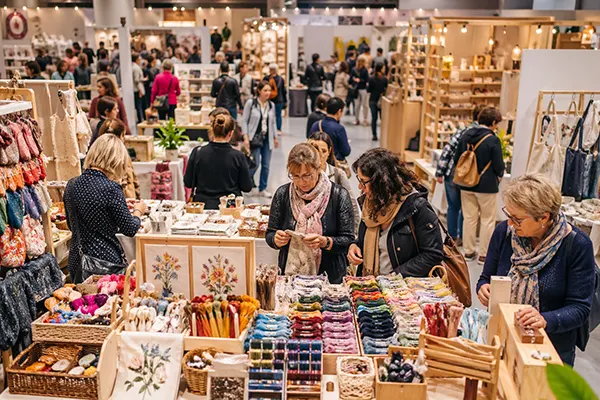
The French creative events calendar for 2026 is structured around several major exhibitions that take place annually and have already confirmed their return. Créations & Savoir-faire in Paris, typically held in late November, is one of the largest gatherings for DIY enthusiasts, covering sewing, knitting, paper crafts and home decoration. It is particularly relevant for those looking to explore new techniques or source high-quality materials directly from suppliers.
In the spring, Pour l’Amour du Fil in Nantes offers a more specialised experience focused on textile arts. This event stands out for its curated exhibitions, international guest artists and workshops dedicated to embroidery, quilting and contemporary fibre art. Unlike broader fairs, it attracts visitors who already have some experience and are looking to refine their skills.
Creativa Metz, usually scheduled earlier in the year, provides a more accessible entry point for beginners. It combines retail stands, live demonstrations and interactive zones where visitors can test tools and materials. Similar Creativa-branded events are also held in other French cities, making them a practical option for those who prefer regional access instead of travelling to Paris.
Which Event Suits Your Level and Interests
For beginners, Creativa events are often the most approachable. They feature a wide range of entry-level workshops and affordable starter kits. The atmosphere is less formal, making it easier to ask questions and experiment without prior experience.
Intermediate crafters may find the best balance at Créations & Savoir-faire, where both learning and shopping opportunities are extensive. The diversity of exhibitors allows visitors to compare materials, tools and techniques in one place, which is particularly useful when planning future projects.
Advanced practitioners and textile specialists are more likely to benefit from Pour l’Amour du Fil. Its curated exhibitions and masterclasses offer deeper insights into contemporary craft practices, making it more of a professional and artistic environment than a general hobby fair.
How to Prepare for a Creative Fair Visit
Preparation plays a significant role in whether a visit becomes productive or overwhelming. Before attending, it is advisable to review the official exhibitor list and workshop schedule. Most major events publish this information in advance, allowing visitors to prioritise specific stands or sessions instead of navigating randomly.
Budget planning is equally important. Entrance tickets are only a small part of the total cost. Materials, tools and exclusive items sold at fairs can quickly add up. Setting a clear spending limit beforehand helps avoid impulsive purchases, especially in environments designed to encourage discovery.
Practical considerations such as transport, accommodation and timing should not be overlooked. Popular events in cities like Paris and Nantes tend to be crowded, particularly on weekends. Visiting on weekdays or arriving early in the day can significantly improve the overall experience.
What to Bring and How to Stay Organised
A well-prepared visitor usually carries a small backpack with essentials: a notebook, a reusable bag for purchases and a portable charger. Many exhibitors provide printed materials, and having space to store them safely is useful.
Comfortable clothing and footwear are essential, as most fairs require several hours of walking. Large exhibition halls can be physically demanding, especially when navigating between crowded stands.
To avoid losing track of interesting ideas, it is helpful to take notes or photos (where permitted). This allows visitors to revisit techniques, supplier names or workshop details later, turning inspiration into practical follow-up actions.
Making the Most of Your Time and Budget at the Event
Creative fairs are designed to stimulate interest and encourage purchases, which can make them overwhelming without a clear strategy. One effective approach is to divide the visit into phases: exploration, learning and purchasing. This prevents early spending before understanding the full range of available options.
Workshops and demonstrations are often the most valuable part of the experience. While some require booking in advance, many are included in the ticket price. Attending these sessions provides direct insight into techniques and materials that may not be fully understood through online tutorials.
Networking is another underestimated aspect. Conversations with exhibitors, artists and other visitors can lead to practical recommendations, new project ideas or even long-term collaborations. This social dimension is particularly important for those considering turning a hobby into a side business.
Common Mistakes and How to Avoid Them
One common mistake is trying to see everything in a single visit. Large fairs can include hundreds of stands, making it unrealistic to cover all of them thoroughly. Prioritising key areas ensures a more focused and less exhausting experience.
Another frequent issue is overspending on materials that are not immediately useful. While exclusive products can be appealing, it is better to assess whether they fit into planned projects rather than buying based on impulse.
Finally, many visitors underestimate the value of planning return visits. Some events run for several days, and attending more than once can allow for a more relaxed pace, better decision-making and a deeper understanding of the available opportunities.