Home Poker Night as a Leisure Activity: Rules, Atmosphere and Organising a Game with Friends
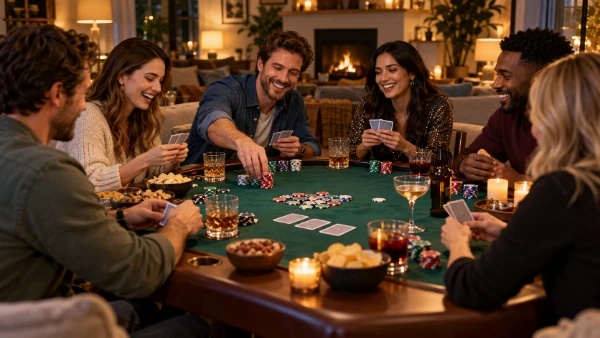
A home poker night is an easy way to combine a card game with a relaxed evening among friends. The best sessions rely less on expensive equipment than on clear rules, fair play and a comfortable setting. A little planning before the first hand helps everyone know what to expect.
Set the Game Up Before Everyone Sits Down
Texas Hold’em is a practical choice for a mixed group because its basic structure is easy to explain. A standard 52-card deck, chips and a dealer button are enough. Each player receives two private cards, while up to five community cards appear on the table. Agree on blinds, chip values and starting stacks before play begins.
Home poker is centred on face-to-face play, but many players are also familiar with poker through online casinos, where card games sit alongside slots, roulette and live dealer titles. When comparing online offers, players may also encounter a no deposit casino bonus, so it is worth checking the current terms, eligible games and any wagering conditions before taking part.
Decide how long the evening will last as well. A two- or three-hour session is easier to manage than a game with no clear finish. If rebuys are allowed, set the number and cut-off time in advance. Clear limits prevent arguments and keep a friendly game organised.
Keep the Rules Simple and Consistent
For casual Texas Hold’em, follow the familiar order: pre-flop, flop, turn and river. The dealer button moves clockwise after each hand, and players act in turn. Bets should be stated clearly, especially for raises or all-ins. A printed hand-ranking card can help guests who are still learning.
House rules do not need to be lengthy. Cover common situations such as misdeals, exposed cards and verbal bets, then apply the same decision to everyone. Agreeing these points before the first hand is far better than debating them after a large pot has already developed.
If real money is involved, check the rules that apply where the game takes place, as private poker laws differ by jurisdiction. For a social evening, low stakes or points-only play can keep attention on the game and reduce disagreements over money.
Create a Comfortable Setting for the Evening
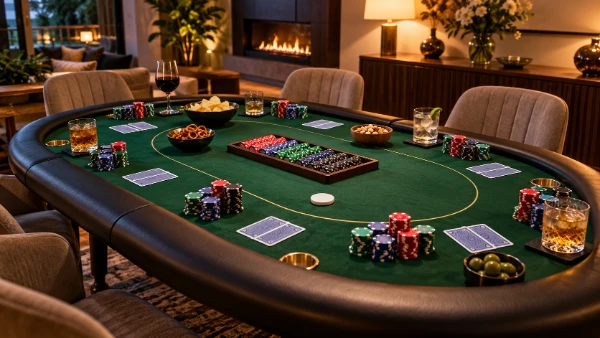
The room matters more than costly accessories. Use a table where everyone can reach the centre, provide enough light to read the cards and make sure each guest has a comfortable chair. Keeping food and drinks slightly away from the chips also leaves the playing area tidy.
Choose food that is easy to eat between hands. Pizza slices, sandwiches, fruit and small snacks work well without forcing a long break. Water and soft drinks should be available throughout the evening. If alcohol is served, moderation is sensible, particularly when money is being staked.
Background music can make the room feel relaxed, but conversation should remain easy. Phones do not need to be banned; an agreement to avoid long calls at the table is usually enough. During a longer session, a short break lets everyone stretch, get food and return without delaying play.
Make the Night Fair, Social and Easy to Repeat
The host does not need to deal every hand. Moving the dealer button clockwise shares responsibility and keeps the game flowing. Count the chips before play and explain their values. If chips represent money, keep spare stacks separate and check the totals again before settling up.
Mixed-experience groups benefit from patience. Newer players should have time to decide, but advice is best saved until the hand is over. This avoids revealing information and lets each person make an independent choice while still giving beginners a chance to learn between hands.
The easiest poker nights to repeat have a familiar rhythm. Keep the main rules, starting time and chip structure similar from one meeting to the next. Save a short note with the blinds and house rules that worked well, so the next evening needs less preparation and leaves more time for cards and conversation.